
Tag: nature and wildlife

  • Great Glen Way

    Great Glen Way

    Stretching 73 miles from Inverness in the east to Fort William in the west, the Great Glen Way cuts through the heart of the Highlands. It offers visitors one of the finest and most dramatic walks in the country. Sweeping through valleys, around lochs and -should you wish it – up munros, it offers a fantastic introduction the long distance walking and the Scottish countryside. 
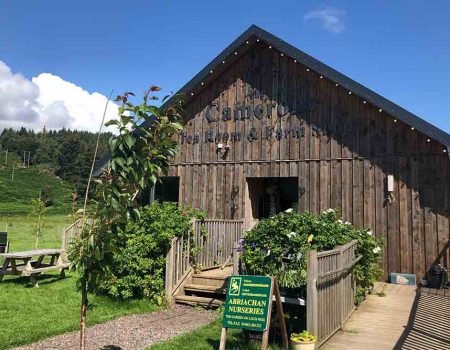
    the Great Glen Way

    Walking the Great Glen Way

    If you are looking to start long-distance walking, then the Great Glen Way is one of the best introductions to it. Suitable for beginners, it can take between 4-7 days to walk. Even for more experienced walkers, it’s a great trail because you can add in excursions up munros should you wish. Of all the Highland walking routes, this one is suitable for all.

    The Great Glen Way follows the Great Glen. This is a geological fault line that cuts diagonally through Scotland. Don’t worry – there won’t be any earthquakes to ruin your trip! The route was opened in 2002, and has seen hundreds of thousands of people use it since then. Most people walk along sections of it, but a significant proportion take up the challenge of walking the whole route. 

    Most of the route traces the path of the Caledonian Canal, and you can visit all 29 locks and 10 swing bridges. The length also includes some of the most beautiful bodies of water in the UK – Loch Lochy, Loch Oich, Loch Dochfour and Loch Ness. Cycling he Great Glen Way is also possible, and a popular thing to do for hundreds of people each year.

    Some of the route takes you up into Scottish woodland, meaning the variety of wildlife along the trail can be huge. From red squirrels to otters, ospreys to golden eagles – if you’re lucky, you might catch a glimpse of some of Scotland’s most legendary wildlife. 

    Highlights of the walk

    Walking the Highlands means you will get to see many fascinating spots. If you are planning on walking the route to or from Fort William, you will come across Neptune’s Staircase. This marvel of engineering raises the canal 19 metres over a quarter of a mile. There are eight locks altogether, and it takes a canal boat an hour and a half to traverse them all. This is a brilliant place to stop a while and take it all in. 

    Invergarry Castle, on the shore of Loch Oich, is another great place to visit thanks to its tumultuous history. Initially the seat of the Chiefs of the Clan MacDonell of Glengarry, it was burned down in 1654 by Oliver Cromwell’s troops during the Civil War. It was also twce visited by Bonnie Prince Charlie. The castle now stands as a ruin and scheduled monument in the grounds of Glencarry Castle Hotel. 

    Close to Inverness, make sure you visit Urquhart Castle too. It’s one of the most visited spots by the loch, and quite rightly too. It also makes for a great lookout spot for Nessie!

    Enjoying the Great Glen Way

    If walking isn’t your thing but water is, then the Great Glen canoe trail might be what you are after. It is an opportunity to see the route from a different perspective, and enjoy some relaxing time on the canal. However you enjoy the Great Glen Way, make sure you take your camera and let us see your photos on our social media pages!

  • Camerons Tea Room in Foyers

    Camerons Tea Room in Foyers

    Travelling around Loch Ness can be exhausting! There’s so much to see and do that if you don’t plan for a break and bite to eat, you might forget to eat at all. And nobody wants that! One of the great joys of following the Loch Ness 360° route is you get to discover hidden gems that you might otherwise miss. One of these is Camerons Tea Room in Foyers. This is a great place to stop for a rest and some food – and you might even get to see some Scottish wildlife too!
    Take a break with a view

    One of the best things about Scotland is the fresh taste of local and in-season produce. One of the other things about eating in Scotland is the relaxing views – and both of these combine at Camerons. Here you can sit out at the decking and enjoy a range of tasty breakfast and lunch meals. Perhaps if you’re starting your day you might want to fill up with a good old Scottish fry up, or some rather more healthy porridge. At lunch, there’s an excellent menu including soups, sandwiches and nachos. And at any time, you can settle down to a nice cup of tea and some delicious home-baked goodies. These include scones, cakes, traybakes and much more. Nobody will judge you if you want to go back for seconds…

    Eating indoors is also wonderful. You can admire the specially commissioned Red Deer antler chandeliers which throw light into the room. These give you a sense of how large deer actually are. And you’ll also find cycling jerseys adorning the walls, as a thank you for all the cyclists who have passed by and enjoyed their break at Camerons. 

    Camerons also has a shop where you can buy a range of fresh food, paintings and prints from local artists. It’s a great place to find that unique gift you’ve been searching all over for. 

    Say hello to the Highland Coo!

    It’s not every tearoom or cafe that welcomes regular large, hairy visitors. But at Camerons, Highland Cows often stroll down the hill for a drink at the big pond near the tearoom. This is a great chance to get up close with one of Scotland’s most beautiful and well-known animals. From behind the safety of a fence, you can take great photos with them (always a hit on Instagram!). And if you come in the summer, you might even see a calf. These are gorgeous little things that are full of curiosity and energy. So if you are wondering where to see Highland Cows in a safe and fun environment, then Camerons Tea Room is the place to visit. 

    Nearby attractions to Camerons Tea Room

    While you are at this cafe by Loch Ness, make sure you have a look at the nearby Falls of Foyer. This is a beautiful waterfall that, when in spate, can often shake the ground around you. This happens often in the winter, which is a great time to visit Loch Ness. And just along the road is Boleskin Graveyard, a must-see for any fans of the Outlander series. 

    This is a beautiful area of the loch, and very friendly too. You’ll receive a warm welcome from Morag Cameron and her staff when you arrive, who will make sure you are seated comfortably and served quickly. So make sure you pop by Camerons Tea Room in Foyers whether driving, walking or cycling Section Four of the Loch Ness 360° trail for a comfortable rest and delicious bite to eat. 

  • Deer Rutting Season in the Scottish Highlands

    Deer Rutting Season in the Scottish Highlands

    Scotland is famous the world over for its rugged landscapes and stunning wildlife. So when these two areas combine, it makes for an experience of a lifetime. This is what happens if you catch the annual sight of deer rutting season in the wild. It’s an almost magical experience that captures the imagination and reveals the true beauty and strength of our majestic deer.

    So, what is deer rutting, when can you see it and, most importantly, where are the best spots? 

    What is deer rutting?

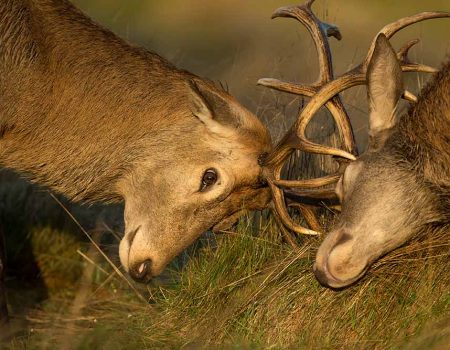
    Deer rutting is how male Red Deers decide who gets to mate with the female deers each year. Of course, this isn’t accomplished by civil discussion or a flip of the coin. Rather, the males (or stags) become pumped up with testosterone and get ready to fight any other stag who stands in his way. By rounding up the female deer (a doe or a hind) they protect their territory and thus their mating rights. 

    A deer rut scene is dramatic – often better than any action film you might see in the cinema! The stags’s hot breath is visible in the cold Scottish air. They smash and crash down on each other’s antlers. The deer have put on weight for this, so it’s serious business. They can lock horns and really take it out on each other. Rutting stags rarely hurt each other, even if it starts to look a bit rough. 
    The best times to see a deer rut in the Highlands

    In the Scottish Highlands, deer rutting takes place in the autumn. The best times to try and view it is from the end of September until the start of November. Rutting can take place at any time throughout the day. However, most of the action is going to be early in the morning (around three hours after dawn) and late at night, (about three hours before dusk). So make sure you bring plenty of coffee to keep you going! It can never be guaranteed though, and weather can often hinder rutting activity, but don’t give up! Come back again because it’s a sight worth seeing. 

    Where to see deer rutting

    Rutting takes place all across the Highlands. You can listen out for the bellows! However many companies offer rutting safaris and tours to make sure you get the best possible chance of seeing it. 

    Some places to stay near Loch Ness, like Eagle Brae, occasionally have deer rutting take place on their land! If you’re lucky, you can hear the noises from your cabin. Do be careful if you chance across a Red Deer rut though. These are wild animals, and they are huge! Keep your distance and respect these beautiful creatures. If you take any photos, be sure to let us see on our social media!

    So join us in autumn for the annual deer rutting season and prepare to be amazed at nature’s beauty and strength. Bring your binoculars, camera and a sense of adventure. You won’t forget this experience in a hurry.

  • Winter in the Highlands

    Winter in the Highlands

    If you are looking for some of the best places to visit in the winter in Inverness and Loch Ness then read on and find out more. Here we are situated in one of the most stunning areas in the world. As a result, we have an array of wonderful places to visit. So we have compiled a list of some of the places we recommend you visit on or around the Loch Ness 360 trail.
    River Ness and Ness Islands

    Whatever time of year you visit, the River Ness and Ness Islands have something magical about them. And there is something extra special about exploring them in the Winter. Your warm breath in the cold winters air and layers of clothes to warm you. Here you will take in the sounds of the river and its wildlife along the way on a crisp and chilly day. Wander across the array of Victorian bridges that connect each island. Here you can explore each one’s hidden treasures. Hidden bays, cocooned clearings, mature trees with benches dotted around are a few things you will find. And you can even explore this wonder at night as lights romantically illuminate the way. Well maintained pathways lead along the river and around the islands. So it is a great walk for all to enjoy during an Inverness winter!

    Urquhart Castle

    If you fancy a bit of history then why not visit Urquhart Castle this winter? Open from November to March, daily from 9.30 am to 4.30 pm with last entry being 3.45 pm, you can enjoy a fascinating day out. And all on the banks of Loch Ness. Once this was Scotland’s largest castle witnessing many conflicts during its 500 years as a medieval fortress. Changing hands many times it eventually met its demise in 1692. The Britsh Government forces blew it up so that the Jacobite rebels could no longer use it as their fortress. And during the winter it offers a spectacular Scottish setting. Bare trees, low moody light and sometimes snow-dusted hills envelop the loch. All can be viewed from this historical ruin. A truly spectacular sight to behold and one of the best places to visit in the winter!

    Glenmoriston Footprints

    If historical tales of the fascinating unknown excite you then you may want to pay a visit to these footprints. Said to have been imprinted in the ground East of the Torgolye bridge, by a preacher. No grass has grown on them since his sermon back in 1827! And you can see these footprints to this day. Here you can take a short walk along to the Cairn where this phenomenon lies. It is quite fascinating! You can read more about this intriguing story here.

    Cameron’s Tearoom

    Cameron’s Tearoom is a delightful place to head to on a winters day. Here you can snuggle up and enjoy some delicious food and explore the lovely range of gifts in their shop. And as you do you can look out over the stunning Scottish winter scenery. Enjoy your food and watch the Highland Cows enjoy theirs. Furthermore, you can pop outside and see the rescued reindeer residents who always enjoy a pat. Situated on the southside of Loch Ness between Inverness and Fort Augustus this tearoom lies a quarter of a mile from the Falls of Foyer. It’s a perfect stop for refreshments after a trip there. So head along and enjoy a hearty meal and some of Morag and her staff’s divine home baking!

    An Talla by Loch Ness

    Always a great place to stop, An Talla sits on the banks of the Caledonian canal. Here you can enjoy a first-class shopping experience with high-end gifts. Inspired by Thomas Telford the Loch Ness collection offers a beautifully crafted range of gifts. And they are only available to buy here. Furthermore, you can dine in their restaurant and enjoy a range of seasonal dishes. So head along on a chilly winters day for some retail therapy.

    Caledonian Canal

    Here at the Caledonian Canal, you can enjoy a lovely winters walk, cycle or run. Stretching through part of the Great Glen way this towpath links the Great Glen Way with the South Loch Ness Trail offering a choice of routes to explore. Be it a more exerted hike or a simple stroll you can choose whatever you fancy. Whatever you do along this unique waterway, you will enjoy an array of spectacular scenery and an abundance of wildlife. Another of the best places to visit this winter!

    Drummnadrochit

    Another great place to visit during winter in the Highlands is Drumnadrochit. Not only does it have a truly Scottish name it offers a truly Scottish experience. Located on the northern shore of Loch Ness this village is surrounded by glens, including Glen Urquhart and Glen Moriston. And it is here that Nessie Land and the Loch Ness Exhibition Centre are located. Perfect for a ‘dreich’ Scottish day as there is much to do. And makes for a great family day out.

    Drumnadrochit in the Highlands

    John Cobb Memorial

    Another great place to visit on a winters day in the Highlands is the John Cobb memorial. It was here on Loch Ness that John Cobb died trying to break the water speed record. Having broken the Land Speed record three times he successfully reached 206.89mph on the first run on the water. However, due to rules saying time speed records require two runs, he attempted the second one. And this was when he tragically lost his life after hitting an ‘unexplained wake’ in the water on 29th September 1952. Nessie enthusiasts believe the monster had something to do with this. Now, you can visit the memorial of John Cobb. Just 1 mile south of Urquhart Castle, overlooking the loch sits a beehive-shaped cairn. Known as the ‘Gentle Giant’ this quiet unassuming man will always be remembered at Loch Ness.

    Loch Ness 360 trail

    And of course, there is the Loch Ness 360 trail to add to this list. All the above destinations are accessible from the trail. However, you can explore any section of this wonderful route at your own accord. Each section offers its own bit of magic. Whatever you chose to do you will not be disappointed. During the winter months, the views are spectacular. This really is one of the best places to visit in the winter. So come along and see what it is all about!

  • Dog Walking Holidays

    Dog Walking Holidays

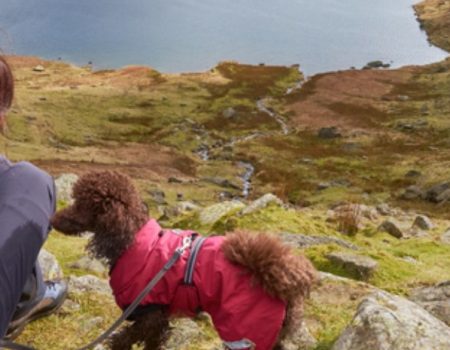
    Looking for the perfect adventure with your dog? Look no further than the wonderful Loch Ness 360° Trail. Dog Walking Holidays don’t get much better than this spectacular 80-mile loop around the entirety of Loch Ness. On the trail, you can even enjoy a range of activities with your dog, such as a canoe session on Loch Ness with In Your Element. Or you can enjoy a nature boat ride or go dolphin spotting with your dog with Dolphin Spirit.

    The Loch Ness 360 ° Trail is fully dog friendly. All we ask is that you respect the countryside access code and look after the trail, our nature and farming stock whilst walking responsibly with your dog.

    Loch Tarff in the Autumn with golden bracken in the foreground

    Enjoying Nature Trails and Wildlife

    During your explorations of the Loch Ness trail, you are sure to experience the most wonderful scenery and nature. The trail is well known for its deer, birdlife, squirrels and other popular animals that dogs love to chase! Furthermore, we enjoy a wide number of floor nesting birds and primarily grounded birds. Such as pheasant and grouse. During your explorations, please protect our wildlife and keep your dog close at all times.

    Dog Friendly Accommodation Loch Ness

    First things first! Let’s find some dog-friendly accommodation, Loch Ness. Whether you chose to stay in one of our many hotels, B&Bs or self-catering options, or if you want to glamp or wild camp, we have a wide selection of options available all around the loch. To help you find dog-friendly accommodation Loch Ness on Loch Ness, below we have listed accommodation options around the loch starting from Drumnadrochit. This then leads you along the north of Loch Ness to the farthest tip at Fort Augustus. From here, we follow dog-friendly accommodation along the south side back to Inverness:

    Family in bed with dog on floor

    Dog Walking Holidays, Trail Accommodation

    Inverness

    The Kingsmills Hotel, Inverness

    The Corriegarth, Inverness

    The Royal Hotel, Inverness

    North Loch Ness

    Loch Ness Highland Cottages, North Loch Ness

    Loch Ness Backpackers Lodge, Drumnadrochit

    The Loch Ness Inn, Drumnadrochit

    Benleva Hotel, Drumnadrochit

    Ancarraig Lodges Loch Ness, North Loch Ness

    Eagle Brae, North Loch Ness

    Farthest Tip at Fort Augustus

    Kettle House, Fort Augustus

    South Loch Ness Trail Accommodation

    Loch Ness Shores Campsite and Glamping, Nr Fort Augustus

    Camerons Tearoom & Cottage, Foyers, South Loch Ness

    The Whitebridge Hotel, Whitebridge, South Loch Ness

    Foyers Lodge, Foyers

    The Craigdarroch Inn, Foyers, South Loch Ness

    Dog Friendly Places to Eat on the Loch Ness 360 Trail

    Likewise, when looking for dog-friendly walking holidays, finding dog friendly restaurants is also important. We have a range of pubs and dog-friendly cafes listed below to help you. Also, we have included a list of takeaways, so you can sit and eat Al Fresco with your dog:

    Man with dog in lap at a cafe

    North Loch Ness

    The Clansman, North Loch Ness

    Fort Augustus

    The Loch Inn, Fort Augustus

    South Loch Ness

    The Craigdarroch Inn, Foyers, South Loch Ness

    Camerons Tearoom & Cottage, Foyers, South Loch Ness

    Waterfall Cafe, Foyers

    Inverness

    Black Isle Brewery Bar, Inverness

    The Snow Goose, Inverness

    Cafe Nero, Inverness

    Lady sitting in a forest with her dog

    Dog Friendly Walking Holidays

    If you need any more help organising or planning your dog walking holidays around the Loch Ness 360° Trail, please do contact us. Or, for more information on walking smaller sections of the trail, we have split the 80 mile trail into 6 sections for you to explore. We also have a list of other dog walks for you to enjoy whilst on holiday in our lovely area of the Scottish Highlands.

    Two stags rutting with one another
  • Autumn in the Highlands

    Autumn in the Highlands

    Best Places to Visit in the Autumn when on the Loch Ness 360 ° Trail

    If you are looking for some of the best places to visit in the Autumn, when on the Loch Ness 360 ° Trail, then read on. Here we have pulled together a list of where we think you would love to visit when you visit us here in the Highlands. Crunching leaves, earthy smells and a canvas of red, gold and yellow… a Scottish experience to behold.
    The Great Glen Way

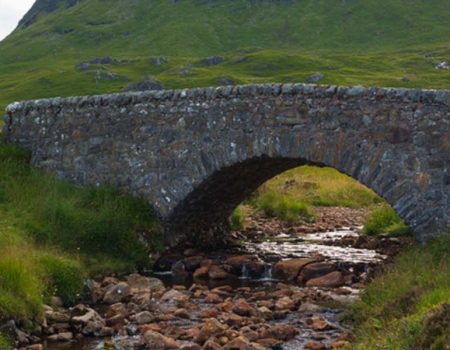
    No matter what time of year you visit, The Great Glen Way is truly spectacular. This fabulous trail forms part of the North Side of the Loch Ness 360 trail leading you through some of Scotlands most beautiful scenery. Connecting Fort Augustus and Dores you can walk run or cycle it and are guaranteed to have an experience of a lifetime. Given this side of the trail is high up you get magnificent views of the Autumn scenery and Loch Ness below. Furthermore, you can choose to explore the full length of this section. Or you can simply meander parts of it at your own leisure. Snaking through the dramatic landscape the beauty of this trail in Autumn is breathtaking. Absorb scenes, as you ramble along… golden trees licking the lochside and river, enveloping picturesque pathways and carpeting the landscape around you. High on the north side of the trail colours of yellow and gold blanket the valley, hugging the loch. As a result, making this one of the best Autumn destinations in Scotland.

    The River Moriston surrounded br Autumnal trees on the Great Glen Way
    The River Moriston in Autumn

    Deer Rutting Season

    Being one of our famous occupants in Scotland and drawing many visitors, this is a great time of year to spot deer. Autumn marks the beginning of the Deer Rutting Season. To explain, this is when red stags gather groups of female deer to mate with. And of course, with other stags to contend with, frictions rise for the female attention. Thus resulting in a battle. During this dramatic act the stags roar and lock antlers in an exhausting feat. Consequently, they can lose up to 20% of their body weight. And the winner then has the task of covering his ladies! If you are lucky, from September to early November, you can hear the sounds of this battle as it commences as you are unlikely to see it. But remember, if you do, stay safe, stay quiet, keep a distance, keep dogs on leads and respect these magnificent animals.

    Two stags rutting with one another
    Stags rutting

    Invermoriston’s famous bridge

    As you head north of Fort Augustus, 7 miles along, you enter the small village of Invermoriston. Arching across the River Moriston, and built-in 1813, is the Thomas Telford bridge. Formally, it was used to bridge the road between Drumnadrochit and Fort Augustus. Since a new bridge has been built and the public can now walk across the original and stand in awe of the dramatic scene that unfolds beneath you. As you can imagine this place is spectacular in the Autumn time. Trees cocoon the ravine and beneath the falls put on an exuberant display. Additionally, at this time you can watch the salmon leaping as they make their way upstream to reproduce. Early morning and evening, especially after rain are the best times to see this in action.

    Invermoriston Thomas Telford bridge surrounded by Autumnal tress
    Invermoriston Thomas Telford bridge in Autumn

    Cruise your way along Loch Ness

    There is no better way to absorb a large expanse of Autumn landscape than with a cruise along Loch Ness. Jacobite Cruises in Dochgarroch and Cruise Loch Ness in Fort Augustus offer a fabulous experience. As you cruise the waters the vista before you is dressed in Autumnal colours. Therefore, making this one the best places to see autumn leaves in all their glory. And if you are lucky you may spot our famous monster lurking beneath the dark waters beneath you trying to catch a glimpse!

    A view up Loch Ness from a cruise boat
    A view from a Cruise going along Loch Ness

    Falls of Foyer

    South of Loch Ness is the breathtaking Falls of Foyer. Here this dramatic gorge is home to a spectacular waterfall and is one of the best places to visit in the Autumn. A short walk along a well-maintained path guides you down a steep slope. Here you end up at a viewpoint overlooking the falls. Gasp in awe as this 140ft waterfall plunges to the deep, dark pool below. Trees and vegetation burst from the surrounding rocks and landscape, dressing this scene in colours of red, gold, yellow and brown in the Autumn. And a little drive on you can stop for refreshments in a magical tearoom. Cameron’s Tearoom serves up delicious food in a spectacular, secluded location and is well worth a visit.

    The Falls of Foyer in the Autumn
    Falls of Foyer in Autumn

    Loch Tarff

    Coming from Fort Augustus and just before the Falls of Foyer lies Loch Tarff which is stunning in the Autumn. Encased by rolling hills and lush landscape you find your own little piece of heaven. In Autumn the loch is swathed by Autumn colours creating a place of beauty and tranquillity to escape to. Here you can walk a section of the south section of the Loch Ness 360 trail. From here you have a spectacular view as the path meanders gently up the hillside. Blanketed beneath you is an array of bursting vibrant colour.

    Loch Tarff in the Autumn with golden bracken in the foreground
    Loch Tarff in Autumn

    Dores

    No trip is complete without a trip to Dores. Situated on the East side of Loch Ness this famous pebbled beach is home to the famous viewpoint up the loch. Additionally, it is home to the famous Nessie hunter Steve Feltham whose caravan nestles on the shores. Furthermore, you can have a go at some Nessie hunting yourself through the binoculars stationed on the beach. And if you want to stretch your legs you can follow a circular walk then enjoy some refreshments at The Dores Inn. Given its location the Autumnal views here are spectacular. Mountainous hills drop either side of the loch crowning it in flourishing colours of Autumn.

    The pebbled beach at Dores
    Dores beach with the famous view up Loch Ness

    Wildlife

    And of course, any location you visit this Autumn you can look out for some of our famous wildlife along the way. Red squirrels, deer, pheasants, salmon, Highland cows, otters, eagles are just a handful of what you can spot. As you meander the golden landscape and absorb the views keep an eye out for what may make a special appearance. Important to point out is respecting animals and their environment so they can live in peace while we enjoy seeing them.

    A red squirrel
    A red squirrel among Autumn leaves

    Loch Ness 360 Trail

    Much of the surrounding areas of Loch Ness can be explored via the Loch Ness 360 trail. And there is no better time than Autumn to explore when the landscape is at its most spectacular. Explore all six sections or simply sample parts. Whatever you choose to see and do we can guarantee that Autumn in the Highlands is an unforgettable experience. We look forward to welcoming you!

    Running in the Scottish Highlands
    The Loch Ness 360 Trail

    Accommodation

    So if you plan to come and visit this Autumn you will be looking for accommodation. And with an abundance of places to stay, you are spoilt for choice. Here you can explore a variety of options such as hotels, self-catering, camping, guesthouses, hostels and more. Wherever you choose to stay you are sure to have a memorable trip when you visit this stunning part of the world.

  • Respecting Scotland’s Nature and Animals

    Respecting Scotland’s Nature and Animals

    The Scottish Highlands can be a little strange to people visiting from a loud and hectic city. To be suddenly enveloped in the absolute peace and tranquillity of Loch Ness can take people aback. Wild animals run through fields as rare birds fly overhead. It can feel liberating as if there is no-one else for miles. This, unfortunately, can lead some people to think they are free to act as they please and treat Loch Ness’ nature and general area however they would like.

    Of course, they can’t, but it has led to instances of littering, trespassing and rude behaviour by some. The Scottish Outdoor Access Code was drawn up as a response. It’s a way to share best practice of spending time in the countryside and near our animals with those unfamiliar with it. 

    cycling in a mountainous region in Scotland

    The Scottish Outdoor Access Code

    A person has access rights to most parts of Scotland if they act responsibly, asset out in the Land Reform (Scotland) Act 2003. It means that most of Scotland’s amazing places and wildlife can be experienced by anyone. 

    The key to this, of course, is the “responsibly” bit. How can we make sure visitors know what is acceptable and what is irresponsible? This is where the Scottish Outdoor Access Code (SOAC) comes in. It describes best practice in just about every instance of being outdoors. From air sports to camping; nature reserves to military lands, it’s the best source for making sure your visit to the Highlands goes without a hitch. 

    a woman stands next to her tent in the wilderness of the Scottish Highlands

    Wild Camping in Scotland

    A major difference between enjoying the outdoors in England and Scotland is that in Scotland, you can camp in the wild outdoors. In England and Wales, apart from a few special areas, you have to camp in designated campsites. This can lead to your enjoyment of the outdoors being ruined by smelly toilets and screaming children. 

    In Scotland, you are mostly free to camp up wherever you want – this is called wild camping. There are limits to this of course. You can’t simply walk into somebody’s garden, or a school field, or in a crop field. The landowner may ask you not to camp, in which case, you should leave. Wild camping does offer the outdoors enthusiast a way to experience the outdoors alone, away from civilization and under the stars. It can be the closest you’ll ever get to nature.

    As camping is such a popular activity here around Inverness and Loch Ness, there is plenty of information available to help you do so responsibly. One such resource is this guide to good practice. 

    A deer looks into the camera in the rain.

    Sharing Our Space

    Everyone is welcome to explore the Loch Ness 360° trail, and with just some consideration, we can make sure everyone has a fantastic visit. Treating our nature with respect can only enhance our love of it. If you are planning a trip to enjoy Loch Ness’ nature, please take a moment to read the access code. It could save you a lot of hassle down the road!

  • 5 Simple Tips to Stay Safe Outside Around Scottish Animals

    5 Simple Tips to Stay Safe Outside Around Scottish Animals

    Getting out and about in the Scottish Highlands and on the Loch Ness 360° trail is a hugely popular activity. With scenic lochs, stunning mountains and gorgeous buildings, it’s no wonder that millions of people visit Inverness and Loch Ness each year. An important part of enjoying the outdoors is being aware of how to stay safe around the Scottish animals you’ll find here. Not just wild animals but farm stock too. Here are a few tips if this is your first time in the Scottish countryside. 

    A sign warning people not to enter a field for fear of a bull charging.

    1. Don’t climb fences

    Fences are there for a reason! Taking a shortcut across a field may sound like a brilliant idea, especially when it’s dark and there’s a pub over there, but it’s not worth the risk. Apart from the fact that there may be swampy or muddy areas (or worse – fresh cow pats) that you might trip in, you may be disturbing farm animals. Although they look benign and harmless, cows and sheep can become aggressive, especially if they are protecting their young. If you are unlucky enough to enter a bull’s field during mating season, you had better be able to run very fast indeed!

    A sign warning people to keep dogs on lead as sheep are grazing

    2. Keep dogs on leads near farms

    Dogs – even the nicest, calmest ones – can stress out animals. They may not even have to chase a farm animal, just be close by, in order to stress them. During lambing season around Loch Ness, this can lead to sheep losing their lambs through worry. Sometimes, being chased alone is enough to kill a sheep.

    Worrying livestock is a serious offence – a farmer can be entitled to shoot your dog if the flock is in danger. Be safe, and in areas where there might be livestock, keep your dog on lead. 

    A sign warning people not to litter

    3. Don’t litter

    Littering isn’t something we should do anywhere, but it is especially important when the litter might end up killing wild animals in Scotland. Plastic bags can get entangled around the heads of small animals. Fishing line can become wrapped around delicate necks. Even dog poo bags, if left hanging on a tree or by a path, can be swallowed by horses. The old adage is most certainly true – leave only footprints, take only photographs.

    A deer in heather

    4. Leave babies alone

    If you are out on a lovely hike and see a young lone animal, like a deer fawn, lying in the grass, with no other deer in sight, what would you do? If you said pick it up and take it to the vets, you have made a very big mistake.

    It is very common for young wild deer in Scotland to be left alone in tall grass whilst their mother goes off finding food. Disturbing the animals may cause it distress. Best to leave it alone and come back a few hours later to check on its situation. Mum will probably have returned by then.

    If it’s clearly in distress, or in a dangerous place like next to a busy road, it is worth calling the SSPCA (Scottish Society for the Prevention of Cruelty to Animals) for advice before doing anything yourself. 

    A grouse

    5. Avoid disturbing animals

    Animals and birds are brilliant, but they might not think the same about you. Getting up close to nature is wonderful – but only if nature wants that too! That’s why creeping up close to birds nests or marine life like seals is dangerous. It’s best to keep a distance to avoid causing stress to the animals. Also keep in mind that some animals and birds might fight back! 

    If you want to get close to animals and Loch Ness wildlife, take a pair of binoculars or a camera with a zoom lens. Sometimes, if you are still and quiet, Scottish animals like squirrels might come up to you. Nature is best enjoyed in quiet – you’re bound to be rewarded eventually.